Two tiny human tests and many unanswered questions
What has Melanotan 2 Research found?
Only two tiny tests involved people. Animal work may explain effects, while patient reports show that serious harms have happened.
How much of the evidence comes from people?
A darker tan, less hunger, or an erection may seem easy to test. Yet only two tiny human studies tested Melanotan 2.
One looked at tanning, while the other looked at erections. Both used placebo, a shot without medicine, for comparison.
The human groups weren’t large enough to answer for your age, your medicines, or your health, while animal tests looked only at eating, fuel use, and erections in those animals.
Doctor reports describe one harmed person at a time. A case leaves the rate of that harm unknown.
Melanotan 2 can darken human skin. No full study has shown safe use for you over months or years.
I’d call the record small and unfinished. Your own chance of help or harm remains unknown.
What happened to the men in the two human tests?
The first study followed only 3 healthy men for two weeks [1]. They received Melanotan 2 shots on certain weekdays.
Skin darkened without sun in 2 of 3 men [1]. Across the study, mild nausea, deep sleepiness, and surprise erections appeared from one hour through five hours after shots.
That first test wasn’t meant to guide your choices at home. Since the drug still lacks approval, it wasn’t a set of instructions for your home.
The second study had 10 men whose erection trouble was blamed on worry, rather than poor blood flow. After Melanotan 2, 8 of 10 had an erection researchers could see [2].
During each clinic visit, a sensor around the penis measured firmness and counted 80% of full stiffness as firm; those firm erections lasted longer on Melanotan 2 visits than placebo visits.
Only those two human tests used placebo for comparison. There hasn’t been a larger follow-up [1][2].
Your age and health may be quite different from those men. Their results can’t tell what you would feel.
Ask your doctor why the testing stopped before larger groups took part. That gap matters when someone calls the evidence settled.
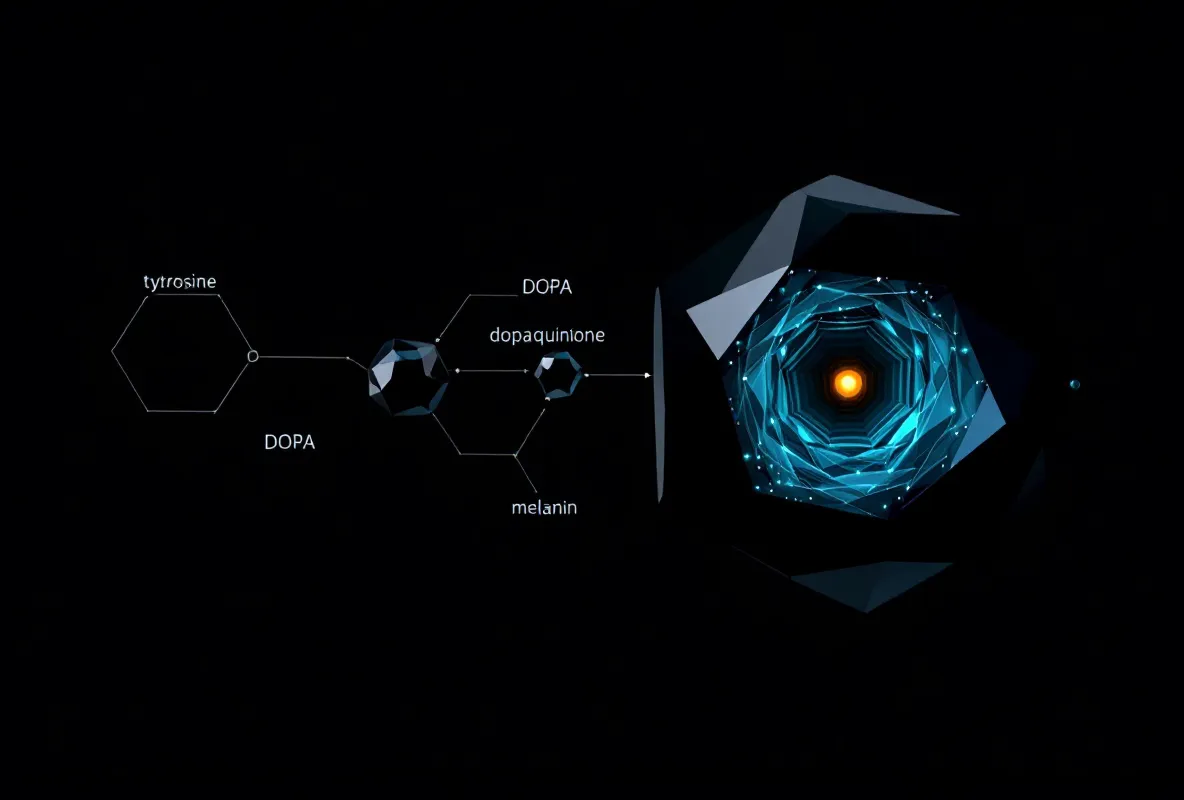
What did tests in animals and cells add?
The food tests used animals, so they can’t promise the same result for you. Mice ate less and burned more food for fuel after Melanotan 2 [10].
In another test, scientists put Melanotan 2 into part of a mouse brain involved in food reward. The mice pressed a lever less often for food, but that can’t tell you how your hunger would feel [5].
Scientists changed the ring shape of Melanotan 2 and tested the versions in cells in a dish [12]. The shape changed which message-receiving places the drug could use, but the test gave no safety answer.
Rats received Melanotan 2 into the brain for two weeks. Places that receive a brain messenger rose in some areas and changed in others, but the test didn’t show what a person would notice [13].
One rabbit paper only asked whether a urine test could spot the drug [7]. It tells you nothing about benefit, harm, or how long the drug stays in a person.
Why can the tan remain after the drug leaves your blood?
The 1996 human study was tiny, but it found darker skin without sun [1]. Melanotan 2 tells skin cells to add dark pigment [11].
A 2008 lab paper described a recipe with 12 steps for making Melanotan 2 [15]. It tested no person, so it gave no answer about benefit or safety.
Your skin cells may continue adding pigment after the drug leaves your bloodstream [9]. That’s why your tan can remain.
The same effect may darken old moles or bring new ones. Doctors recorded those changes in single cases and skin checks [16][20][21].
The effects page says which changes may need care. A lasting tan isn’t proof that the drug is safe.
Which harms have doctors seen in people?
A doctor’s report shows that one person was harmed, but your own odds remain unknown. One report said a kidney area stopped receiving blood after Melanotan 2 [4].
Another report linked a shot with severe muscle damage [17]. Several covered painful long erections [18][19][24], while one covered brain swelling [23].
Most reports involved skin. Doctors saw new odd-looking moles [16] and moles that appeared or darkened in one day [20].
In another case, a doctor used a special magnifying light to see mole changes [21]. Melanoma, a serious skin cancer, and an early form were also reported [25][26].
Those cases can’t prove how the drug changed each person’s risk. A 2026 case followed mouth color changes after 64 days of use.
Cheek color faded by 28 days after stopping, while gum color lasted three months [6]. Lab checks also found wide differences among online products [30][31].
Your doctor may not know whether harm came from the drug or dirt in a vial. Ask the doctor to consider both.
Even careful care can’t reveal what an old online vial once held. That unknown matters when you discuss what happened.